
Genotype & Nutrigenomic Analysis: Your Blueprint for Personalised Health
Genetics isn’t destiny, it’s insight.
What Is Genotype & Nutrigenomic Testing?
Your unique DNA provides the foundation of who you are, but how your genes function is shaped every day by your diet, environment, stress and lifestyle choices. Understanding your genetics gives us a powerful lens to see why your body reacts the way it does and how you can work with your biology to feel better, thrive, and help to prevent future health challenges.
Genomics is the study of your entire genetic makeup: all the chemical instructions that make you unique. Nutrigenomics focuses on how your genes interact with nutrients and lifestyle factors. This isn’t about rare disease diagnosis; it’s about understanding common genetic variations that influence your metabolism, hormones, detoxification pathways and more.
By analysing specific genetic variations (known as SNPs), we can explore how your body may:
- Respond to certain nutrients or foods
- Metabolise fats, carbohydrates and protein
- Balance hormones and manage stress
- Detoxify and eliminate environmental toxins
- Support nervous system function and methylation pathways
Genetic testing alongside functional testing will ensure your personalised plan is truly bespoke and based on a comprehensive understanding of your body and its systems. This information allows us to build truly personalised nutrition and lifestyle strategies, rather than guesswork or generic advice.
When selecting genetic testing it’s vital to chose a reputable company. With this in mind, I have trained with Lifecode GxⓇ and DnaLifeⓇ and can advise you which of their genetic test would be most suitable for you.
Why Genetics Matter
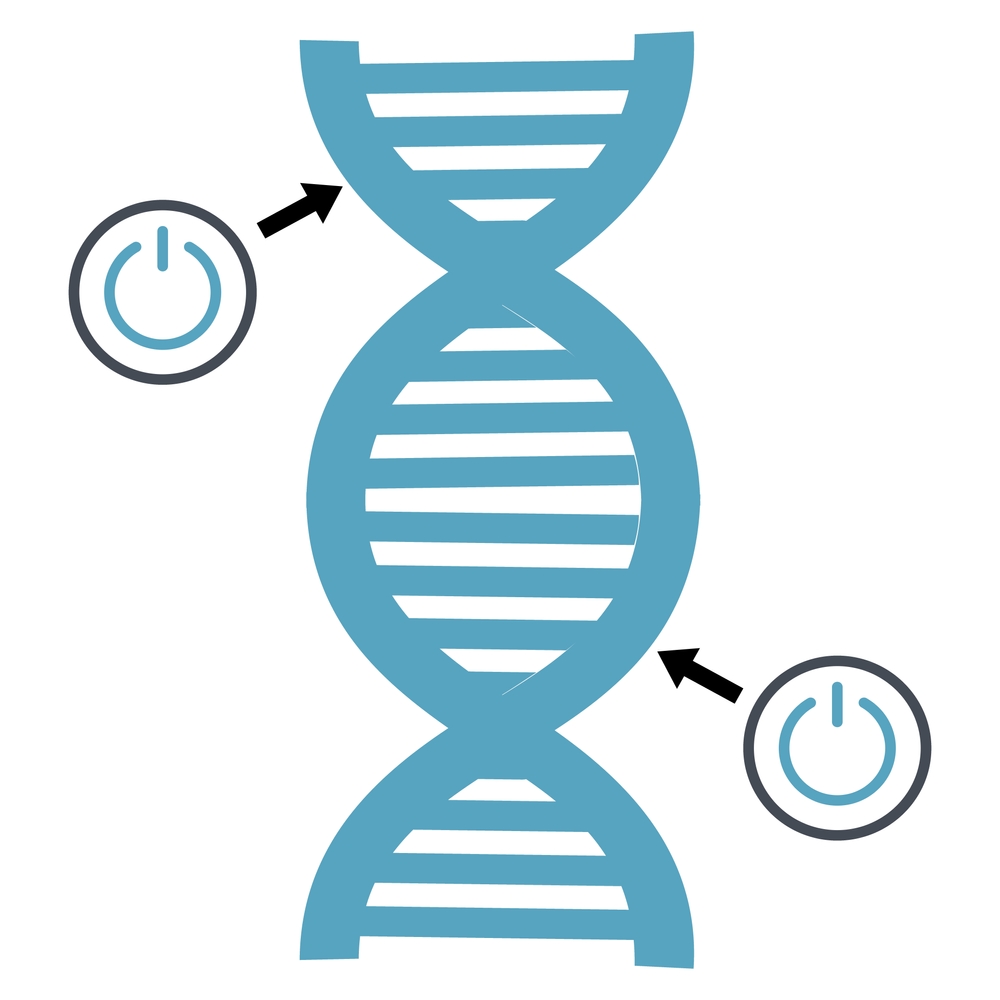
Your genes influence your health potential, but they don’t lock you into a predetermined outcome. Gene expression, how strongly a gene is ‘turned on’ or ‘off’ is affected by the environment: your food, sleep, movement, stress and exposures. This means that while your genotype tells us about your biological tendencies, what you do every day still matters immensely.
Nutrigenomics empowers you to shift the dial:
- You can choose foods and habits that support your genetic strengths.
- You can target areas of vulnerability with tailored lifestyle changes.
- You can prevent long‑term dysfunction before it becomes disease.
What You Get with a Genotype Report
Our Lifecodegx® Nutrigenomic Analysis packages include comprehensive reports and interpretation that make your results meaningful and actionable:
Personalised, colour‑coded genotype results
Clear explanations of gene function and SNP impact
How your genes interact with nutrients and lifestyle factors
Practical, evidence‑based recommendations
Guided interpretation in a 90 minute consultation
How the Testing Works
Genetic testing is simple and non‑invasive, involving a cheek swab collected at home. Your sample is analysed in a UK lab, and your data is stored and protected on the Lifecode Gx® system. All samples are destroyed after 6 months. Because your genetics don’t change, you only need to test once, and the insights remain relevant for life.
Is Genetic Testing Right for You?
Genetic testing can offer clarity if you’ve ever wondered:
- Why certain diets or supplements work for others but not for you
- Why stress, sleep or hormones feel harder to manage than they should
- Which foods and habits truly support your body’s unique needs
It’s not just about what your genes are, it’s about what you do with that knowledge.
Next Steps: Personalised Interpretation & Support
Understanding your genetics is empowering, but interpreting it in the context of your health story is where the real transformation happens.
In your genotype consultation we will:
- Review your results in detail
- Translate them into personalised diet, lifestyle and supplement guidance
- Support you to take confident, evidence‑based steps toward your health goals
Click Image for sample Nutrient Core report

11 Lifecode GxⓇ Reports Offered
Nutrient Core

Discover how genes impact: food response – gluten (coeliac disease), lactose (found in dairy), and caffeine; microbiome diversity; nutrient need – vitamin A (beta-carotene & retinol), folate (B9), vitamin B12, vitamin C, vitamin D, vitamin K, and glutathione; metabolism – blood sugar control (insulin), appetite (leptin), inflammation and omega-3 fatty acids; and circadian rhythm – early bird or night owl predisposition.
Metabolism refers to all cellular chemical reactions and is essential for life. It can be divided into ‘anabolism’ (‘build up’ e.g synthesis of sugars, fats, proteins and nucleic acids) and catabolism (‘break down’ e.g., releasing energy in the form of ATP). These processes, and the balance between them, are the key to healthy energy metabolism and cellular function.
The Metabolics Report transforms our understanding of how genes confer metabolic individuality and underpin energy regulation, longevity and healthspan.
Metabolics

Hormones

Steroids are hormones derived from cholesterol that act as chemical messengers in the body. They are involved in the regulation of many physiological processes in men and women, such as the function of the reproductive system, metabolism, inflammation and immune system. This test analyses genes involved in the synthesis, signalling, transport and metabolism of corticosteroids and sex steroids hormones.
Methylation is critical to keeping your body and brain biochemistry in balance. Common genetic variants (SNPs) can impact methylation and increase susceptibility to systemic imbalances and chronic health conditions such as cardiovascular disease, sub-fertility, mood swings, depression, dementia, fatigue, autoimmune disease, allergies and premature ageing.
Methylation

Histamine Intolerance

Histamine intolerance is a toxic response by the body resulting from an imbalance between accumulated histamine and the capacity to break it down. Symptoms of histamine toxicity may mimic an allergic reaction including skin irritation, gastro-intestinal upset, respiratory distress, headaches, insomnia and anxiety.
This foundational test analyses how gene variants can affect the absorption, distribution and excretion of metals and minerals, impacting their balance and status in the body.
Whilst essential minerals are necessary in adequate amounts for health, excessive intake and accumulation can be detrimental. Additionally, environmental heavy metals are toxic to humans and pose serious health risks.
Metals & Minerals

Detoxification

Genetic variants (SNPs) can impact phase 1, 2 and 3 detoxification pathways and contribute to symptoms such as headaches, muscle aches, fatigue, allergies, skin disorders, weight gain, bloating, acid reflux and heartburn, excessive sweating, chronic infections, sub-fertility, decreased libido, poor mental function and lower stress tolerance.
Neurotransmitters are chemicals that enable communication within and between neurons in the mind and body. Symptoms of neurotransmitter imbalance can include: mood imbalances, depression, mania, attention deficit and obsessive compulsive disorders, addictive behaviours, motor control disruption, anger, aggression and restlessness.
Nervous System

APOE

The APOE4 genotype is a well known risk factor for late onset Alzheimer’s disease and cardiovascular diseases. This test also analyses genes involved in the three subtypes of Alzheimer’s – i) inflammatory, ii) toxic and ii) atrophic – described in the BredesenTM protocol. Understanding your risk enables a personalised approach to managing it.
The thyroid is an endocrine gland in the neck that produces triiodothyronine (T3) and thyroxine (T4). Thyroid hormones control the metabolism of almost every cell, with wide- ranging metabolic, developmental and cardiovascular effects. This report analyses genes involved in the thyroid hormone lifecycle: synthesis, activation, transport and metabolism. It also examines genes that confer susceptibility to inflammation and autoimmunity.
Thyroid

Athlete

Whether you are an elite athlete, a ‘weekend warrior’, or just want to be more active, the athlete DNA test will enable you to optimise: 1.Training – cardio-vascular adaption, strategic fuelling and structural strength; 2. Recovery – build resilience and reduce injury risk; and 3. Performance – balance stress and stimulation – to achieve your personal best.
Reference: https://www.lifecodegx.com
Nutrient Core
Discover how genes impact: food response – gluten (coeliac disease), lactose (found in dairy), and caffeine; microbiome diversity; nutrient need – vitamin A (beta-carotene & retinol), folate (B9), vitamin B12, vitamin C, vitamin D, vitamin K, and glutathione; metabolism – blood sugar control (insulin), appetite (leptin), inflammation and omega-3 fatty acids; and circadian rhythm – early bird or night owl predisposition.
Metabolics
Metabolism refers to all cellular chemical reactions and is essential for life. It can be divided into ‘anabolism’ (‘build up’ e.g synthesis of sugars, fats, proteins and nucleic acids) and catabolism (‘break down’ e.g., releasing energy in the form of ATP). These processes, and the balance between them, are the key to healthy energy metabolism and cellular function.
The Metabolics Report transforms our understanding of how genes confer metabolic individuality and underpin energy regulation, longevity and healthspan.
Hormones
Steroids are hormones derived from cholesterol that act as chemical messengers in the body. They are involved in the regulation of many physiological processes in men and women, such as the function of the reproductive system, metabolism, inflammation and immune system. This test analyses genes involved in the synthesis, signalling, transport and metabolism of corticosteroids and sex steroids hormones.
Methylation
Methylation is critical to keeping your body and brain biochemistry in balance. Common genetic variants (SNPs) can impact methylation and increase susceptibility to systemic imbalances and chronic health conditions such as cardiovascular disease, sub-fertility, mood swings, depression, dementia, fatigue, autoimmune disease, allergies and premature ageing.
Histamine Intolerance
Histamine intolerance is a toxic response by the body resulting from an imbalance between accumulated histamine and the capacity to break it down. Symptoms of histamine toxicity may mimic an allergic reaction including skin irritation, gastro-intestinal upset, respiratory distress, headaches, insomnia and anxiety.
Metals & Minerals
This foundational test analyses how gene variants can affect the absorption, distribution and excretion of metals and minerals, impacting their balance and status in the body.
Whilst essential minerals are necessary in adequate amounts for health, excessive intake and accumulation can be detrimental. Additionally, environmental heavy metals are toxic to humans and pose serious health risks.
Detoxification
Genetic variants (SNPs) can impact phase 1, 2 and 3 detoxification pathways and contribute to symptoms such as headaches, muscle aches, fatigue, allergies, skin disorders, weight gain, bloating, acid reflux and heartburn, excessive sweating, chronic infections, sub-fertility, decreased libido, poor mental function and lower stress tolerance.
Nervous System
Neurotransmitters are chemicals that enable communication within and between neurons in the mind and body. Symptoms of neurotransmitter imbalance can include: mood imbalances, depression, mania, attention deficit and obsessive compulsive disorders, addictive behaviours, motor control disruption, anger, aggression and restlessness.
APOE
The APOE4 genotype is a well known risk factor for late onset Alzheimer’s disease and cardiovascular diseases. This test also analyses genes involved in the three subtypes of Alzheimer’s – i) inflammatory, ii) toxic and ii) atrophic – described in the BredesenTM protocol. Understanding your risk enables a personalised approach to managing it.
Thyroid
The thyroid is an endocrine gland in the neck that produces triiodothyronine (T3) and thyroxine (T4). Thyroid hormones control the metabolism of almost every cell, with wide- ranging metabolic, developmental and cardiovascular effects. This report analyses genes involved in the thyroid hormone lifecycle: synthesis, activation, transport and metabolism. It also examines genes that confer susceptibility to inflammation and autoimmunity.
Athlete
Whether you are an elite athlete, a ‘weekend warrior’, or just want to be more active, the athlete DNA test will enable you to optimise: 1.Training – cardio-vascular adaption, strategic fuelling and structural strength; 2. Recovery – build resilience and reduce injury risk; and 3. Performance – balance stress and stimulation – to achieve your personal best.
Reference: https://www.lifecodegx.com
Pricing and Packages
Digestion/Allergy
3 Reports – £749
- Detoxification
- Histamine Intolerance
- Nutrient Core
Includes 90 minute consultation
Mind & Body
4 Reports – £899
- Metabolics
- Methylation
- Nervous System
- Nutrient Core
Includes 90 minute consultation
Complete Health
8 Reports – £1549
- Detoxification
- Histamine Intolerance
- Hormones
- Metabolics
- Methylation
- Nervous System
- Nutrient Core
- Thyroid
Includes 90 minute consultation
Digestion/Allergy
3 Reports – £749
- Detoxification
- Histamine Intolerance
- Nutrient Core
Includes 90 minute consultation
Mind & Body
4 Reports – £899
- Metabolics
- Methylation
- Nervous System
- Nutrient Core
Includes 90 minute consultation
Complete Health
8 Reports – £1549
- Detoxification
- Histamine Intolerance
- Hormones
- Metabolics
- Methylation
- Nervous System
- Nutrient Core
- Thyroid
Includes 90 minute consultation
Nutrigenomics FAQs
What is Nutrigenomics?
Nutrigenomics is the study of interactions between genes, nutrients and health. A nutrigenomics test examines DNA to identify variants that can impact your health, but can be supported by nutrition and other lifestyle factors.
How will it help me?
Nutrigenomics enables a preventative, personalised, and proactive approach to health. The test results can inform everyday decisions such as eliminating some foods or adding others – instead of a ‘one-size-fits all’ approach.
When should I do it?
A nutrigenomics test can be done at any age, from one day old to a hundred years young. The earlier you test the sooner you can tailor your diet and lifestyle to work with and support your genetics.
How accurate is it?
The genotyping data is more than 99.9% accurate. However, the interpretation of the results can vary from company to company. Lifecode Gx® qualified nutritional therapists and nutrigenomics specialists ensure accurate, evidence-based, interpretation of results alongside clinically and practically relevant recommendations. This knowledge empowers you to make informed choices.
How does it work?
A simple cotton swab is provided to collect loose cells from the inside of your mouth. It is sent off to a lab for analysis, and the results are ready two to three weeks later.
Do I need to get re-tested?
No, you don’t need do the same test again – as your genes are fixed – your genetic code doesn’t change throughout your lifetime. You may choose to do additional tests in the future to assess different genes.
Who are Lifecode Gx®?
Lifecode Gx® is the UK’s leading provider of clinically relevant, nutrigenomics testing services, applying the latest nutrigenomics research to enable a personalised approach to health. We work exclusively with health professionals to ensure clients get the most benefit from their tests.
What are the different types of tests?
Lifecode Gx® offers a range of 11 DNA test panels – Nutrient Core, Hormones, Metabolics, Methylation, Histamine Intolerance, Metals and Minerals, Detoxification, Nervous System, APOE, Thyroid Balance, and Athlete.
What happens to my data?
At Lifecode Gx®, data privacy and protection is our priority. Your data is safe, secure and confidential. Samples are anonymised, and the data is used exclusively to produce your personalised nutrigenomics report(s). Your sample is destroyed after 6 months, and your data will never be shared or sold.
Joanne Lee
mBANT, rCNHC, mANP, rGNC


